
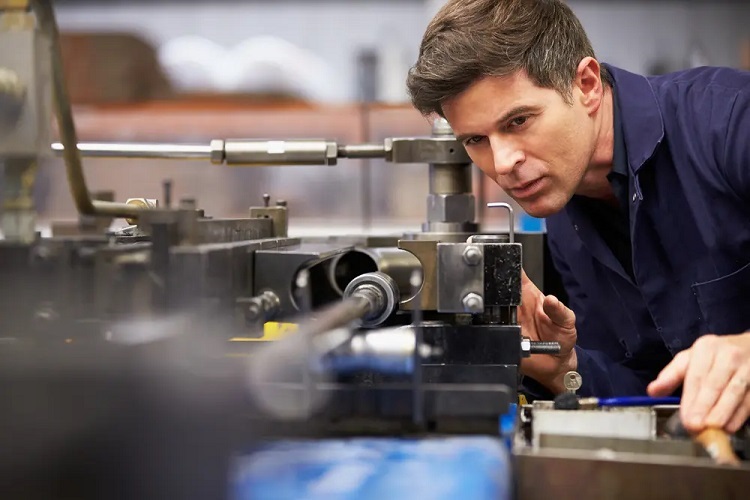

In today’s rapidly evolving industrial landscape, volume manufacturing is at the core of meeting global product demand. Whether it’s smartphones, automotive components, medical devices, or consumer goods, the ability to produce high-quality products at scale is essential for success in competitive markets. Volume manufacturing—often referred to as mass production—enables companies to produce large quantities of identical or similar items efficiently, cost-effectively, and consistently.
What is Volume Manufacturing?
Volume manufacturing is the process of producing goods in high quantities using automated machinery, standardized processes, and streamlined logistics. This approach is typically employed after product prototyping and testing are complete, and the final design is approved for full-scale rollout. The main goal is to achieve economies of scale—lowering the per-unit cost of production while maintaining consistent quality and output.
The Importance of Volume Manufacturing
- Scalability
One of the key advantages of volume manufacturing is its ability to scale operations to meet growing demand. As consumer markets expand and product lifecycles shorten, businesses must be equipped to scale up quickly without compromising efficiency. - Cost Reduction
When products are manufactured in large quantities, the fixed costs—such as tooling, setup, and labor—are spread across more units. This dramatically reduces the cost per unit, making goods more affordable for consumers and more profitable for companies. - Consistency and Quality Control
Volume manufacturing allows for repeatable processes and standardized quality checks. This ensures that every product coming off the assembly line meets the same high standards, which is critical for brand reputation and customer satisfaction. - Speed to Market
With automated production lines and efficient supply chains, volume manufacturing helps companies bring products to market quickly. This is particularly important in industries where time-to-market can make or break a product’s success.
Key Techniques in Volume Manufacturing
- Injection Molding: Ideal for mass production of plastic parts with tight tolerances and smooth finishes.
- Die Casting: Used for producing metal components at high speed and precision.
- CNC Machining: For detailed metal or plastic parts in large quantities with consistent accuracy.
- Sheet Metal Fabrication: For producing enclosures, brackets, and mechanical parts.
- Automated Assembly Lines: Reduce labor costs and improve production speed.
Choosing the Right Partner
For businesses looking to scale up their product production, choosing the right manufacturing partner is critical. Factors to consider include:
- Manufacturing capacity
- Technical expertise
- Quality assurance protocols
- Cost-effectiveness
- Supply chain reliability
Companies like NICERAPID, for instance, offer full-service manufacturing solutions—from initial prototyping to high-volume production. With advanced facilities, global shipping capabilities, and engineering expertise, they help clients transition smoothly from concept to large-scale delivery.
Conclusion
Volume manufacturing is not just about producing more—it’s about producing smarter, faster, and better. In a global economy driven by consumer expectations and rapid innovation, the ability to deliver high-quality products at scale is a powerful competitive advantage. Whether you’re launching a new gadget or supplying parts for a growing industry, efficient volume manufacturing is the engine that drives sustainable growth and market leadership.